Political SMS for Illinois campaigns and committees
For most Illinois campaigns, the harder problem is the calendar, not the message. Early voting opens weeks before most people are thinking about Election Day, and mail ballots are already going out. Registration with the phone carriers (such as AT&T, Verizon and T-Mobile) decides whether your final texts reach voters' phones, and it has to start long before you need it. This page sets out that calendar and the sending plan that goes with it.
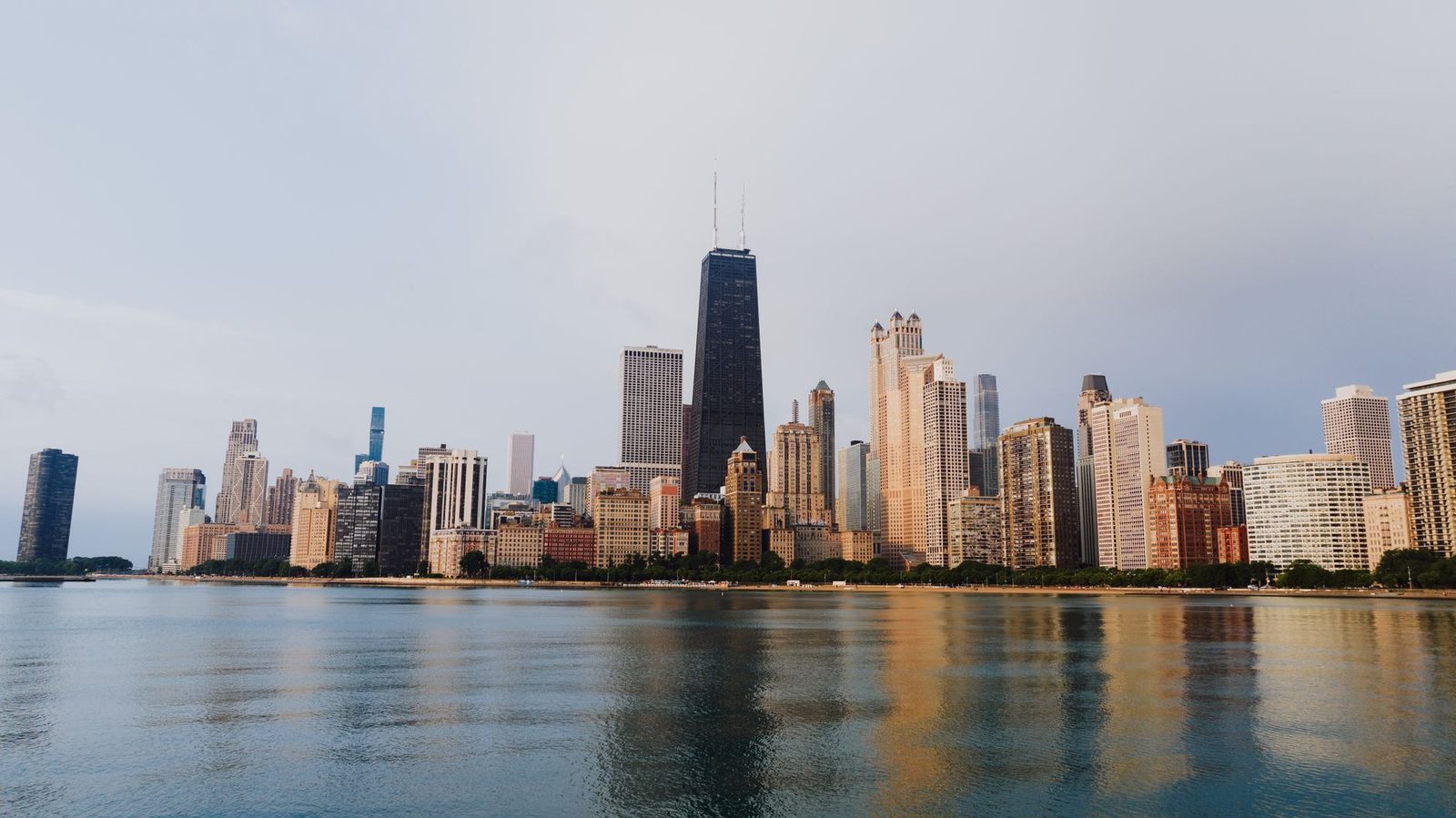
Illinois election calendar
Each of these dates is fixed, which is what makes them useful for planning. They are the only parts of your schedule that will not change.
Current as of August 10, 2026.
Early voting opened September 24 and runs through November 2, and Election Day is November 3. Vote-by-mail applications have been open since August 5, and that date matters more than it may seem. The most valuable group any Illinois campaign texts is voters who requested a ballot and have not returned it. That group has been forming since August 5 and keeps growing until the October 29 application deadline.
There is still enough time for a real program if the work starts now. The main political text messaging platform page explains how that program works, phase by phase. This page covers what is different because the race is in Illinois: these dates, the single time zone, and the two sets of attribution rules (rules on stating who paid for a message) that apply to you.
What to send, and when
A common mistake is to treat texting as a GOTV (get-out-the-vote) tool that you switch on in late October. By then there is no list, no record of consent, and no sending history with the carriers.
01: Now through September 23
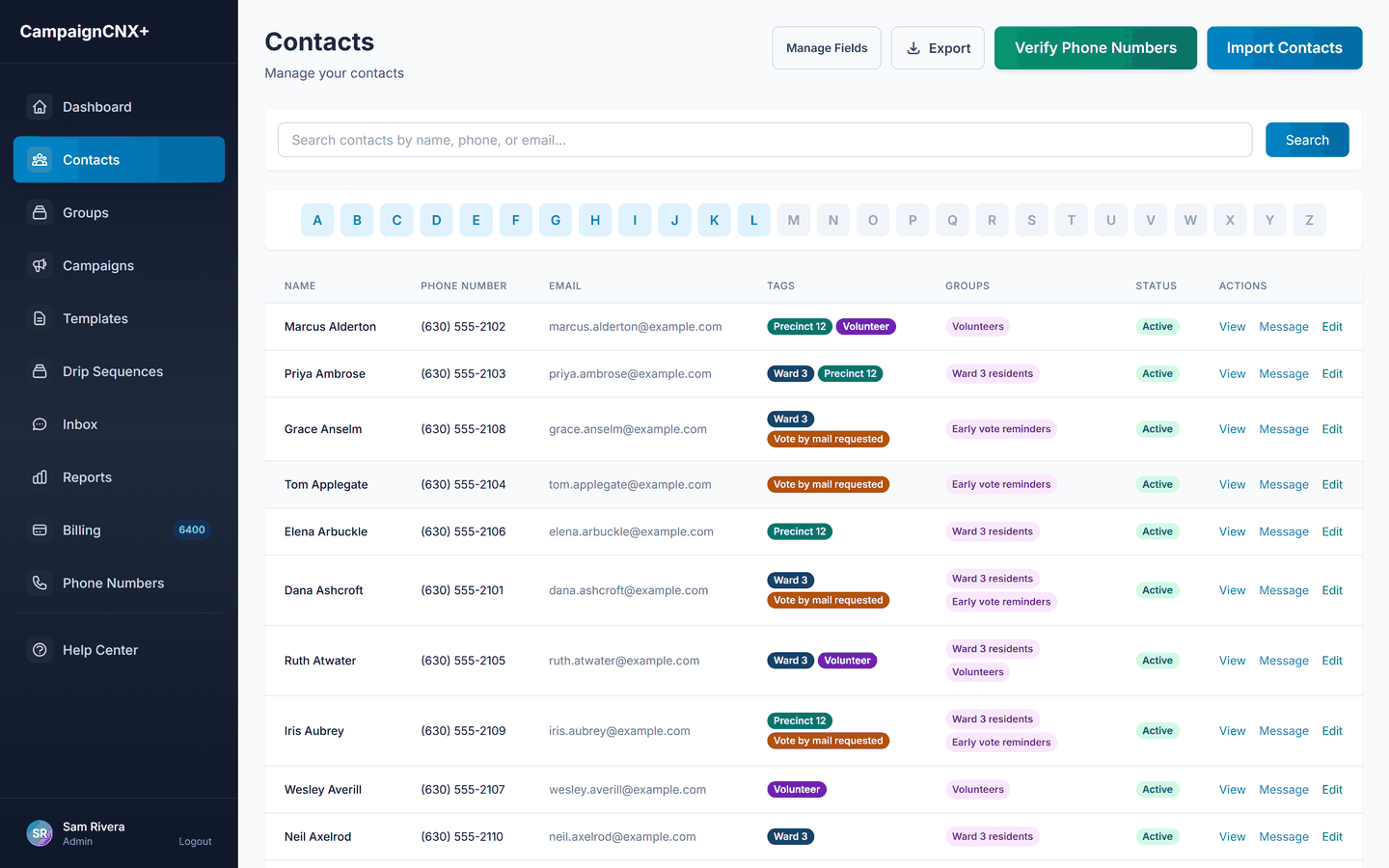
Use this window to collect sign-ups rather than to send in volume. Every event sign-in, petition sheet, website form, and volunteer RSVP becomes an opt-in (permission to receive your texts) if the form says so plainly and the time of sign-up is recorded. Start 10DLC registration (for a standard local number registered with the carriers) on day one. The carriers review it while you send from a toll-free number.
02: September 24 through November 2
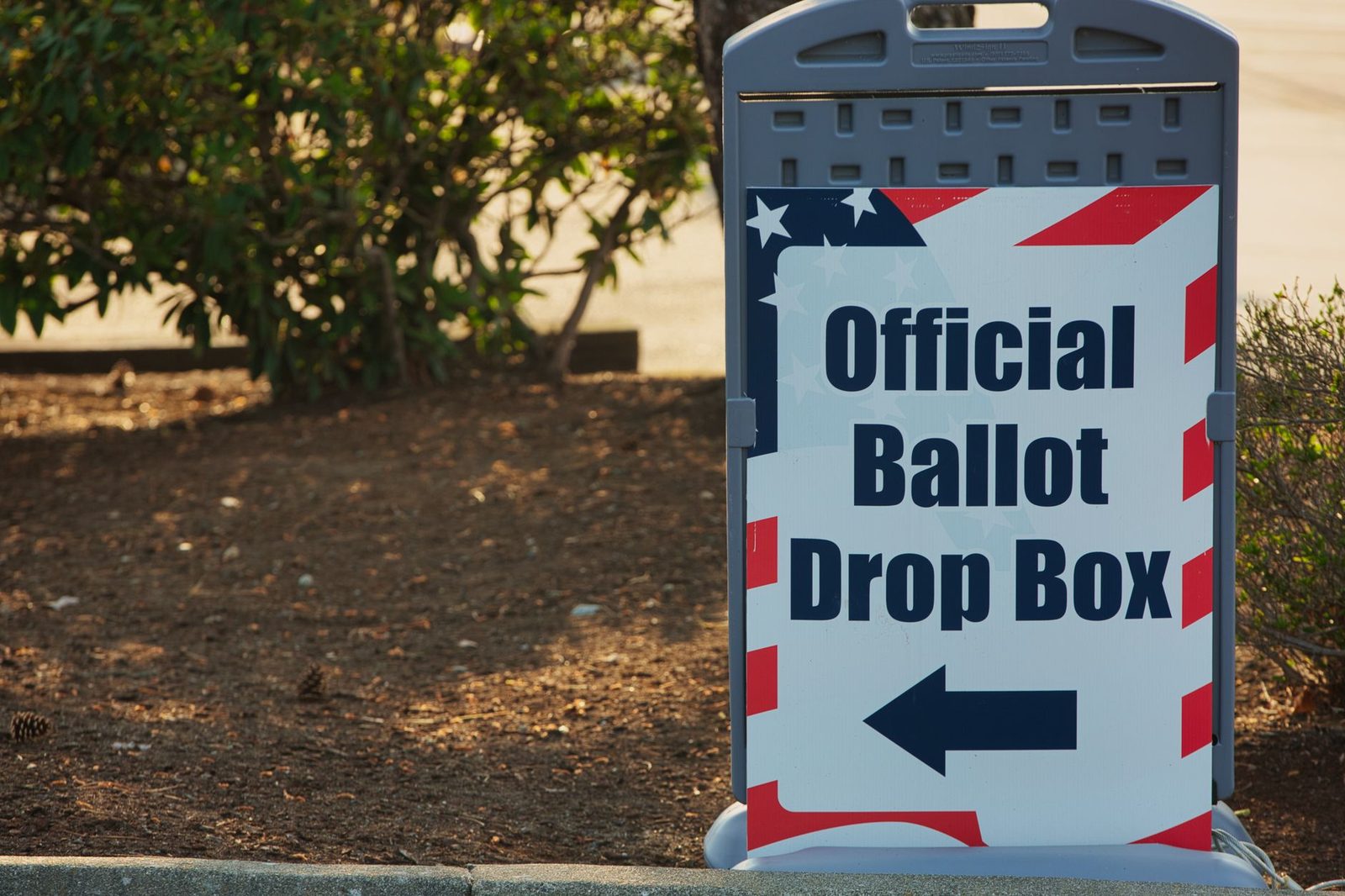
Early voting runs for six weeks, and once a voter has cast a ballot in that time, you can stop spending money to reach them. Three messages cover this window: a reminder to request a ballot before the October 29 deadline, a follow-up for voters who requested a ballot and have not sent it back, and early-vote hours. If you tag ballot status when you import the list, each group is ready without extra work.
03: Tuesday, November 3
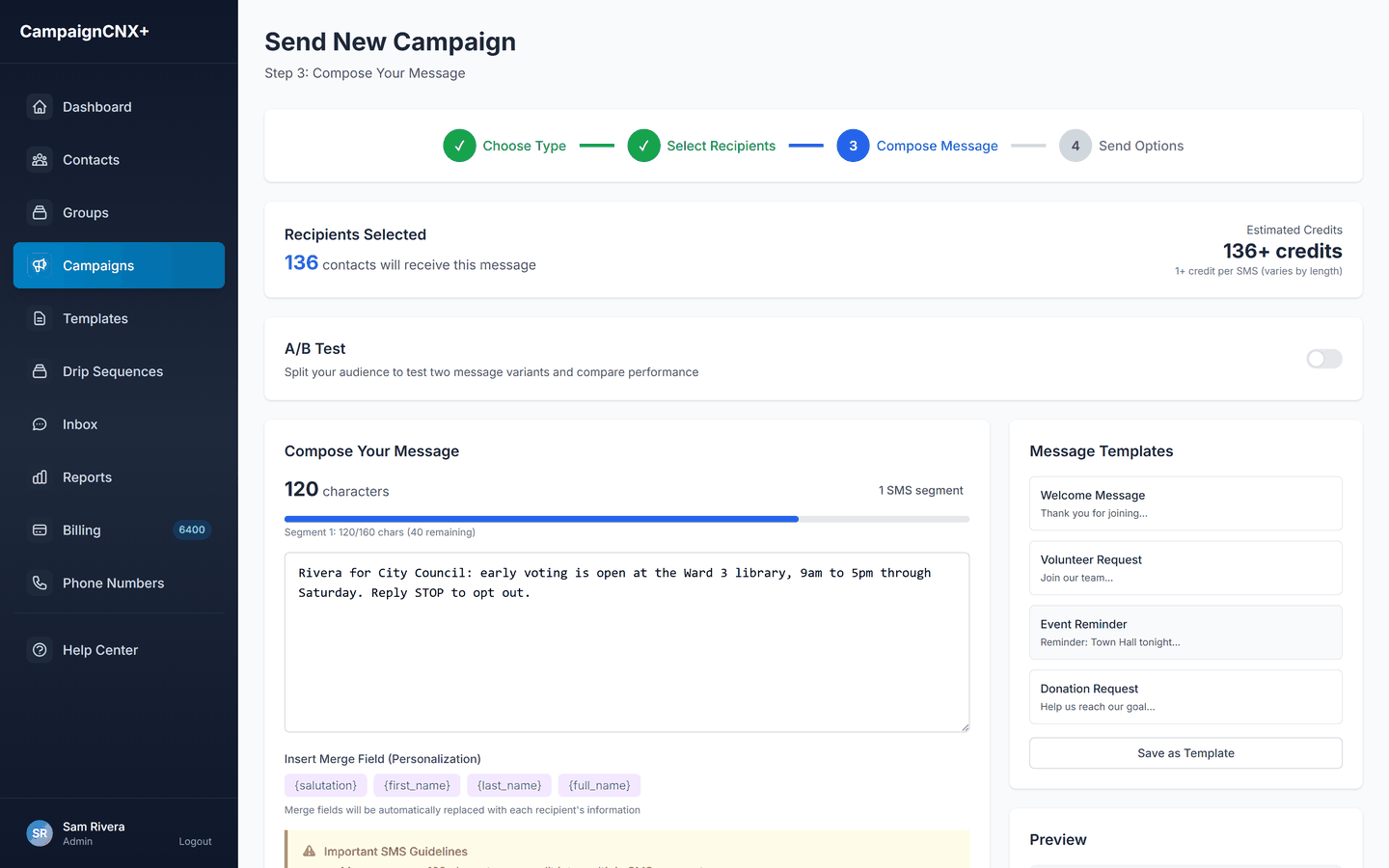
Polls open at 6:00 a.m. and close at 7:00 p.m. That thirteen-hour day has room for three messages: a location reminder just before polls open, a midday message to precincts where turnout is behind, and a closing-time message based on the 5 p.m. reports about lines. Schedule all three the Friday before, and keep one message in reserve, because something unexpected always comes up.
New for 2026 · Political senders
In February 2026 the carriers began requiring 527 political organizations to hold a Campaign Verify authorization before political traffic is allowed on toll-free or short code. 10DLC has required it since 2021. It is not our rule and not our fee, there is no way around it for any vendor, and carriers can fine and block traffic sent without it.
Once your token is issued, that is the end of your paperwork. We file the carrier registration, submit the verification, and tell you when the number is live, usually about three business days after that.
Start now
Open the account, choose a toll-free number, and start 10DLC registration while you load the volunteer roster. Carrier review of a new toll-free number takes about three business days. You start with 100 free SMS, and your number is $5 a month.
A statewide advantage
The whole state is in the Central time zone. That may sound like a minor detail, but it matters to anyone who has scheduled a message for a state split across two time zones, where an 8 a.m. reminder is too early on one side of the line and too late on the other. Illinois has no such line. An 8 a.m. schedule means 8 a.m. from Rockford to Cairo, so a statewide committee or a county party running several programs can build one sending calendar and rely on it across the state.
That advantage disappears as soon as a program crosses a state line. A committee or an organization working several states at once has to schedule across three time zones, which is a different task with a much narrower sending window. The page on Midwest text messaging across three time zones works through that math and the split schedule it requires.
Quiet hours, however, are only a rule about timing. Whether you may send at all is a question of consent, and that rule is the same in Illinois as anywhere else: a cell number on a voter file is a public record, not consent. The TCPA-compliant texting page explains how the platform applies the consent and opt-out rules of the TCPA (the federal Telephone Consumer Protection Act) to every message.
Compliance for Illinois senders
/01
Federal disclaimer rules and state attribution rules are two separate systems, and several states are stricter. Confirm your obligations with your counsel and the Illinois State Board of Elections before the first send.
/02
Non-exempt automated texts to cell phones need prior express consent regardless of purpose. The platform records the source and time of consent for each contact. The campaign is responsible for the sign-up forms that collect that consent.
/03
Carrier verification of a new toll-free number takes about three business days. 10DLC is the recommended path for any program running through November 3, and the carriers review it while you send from the toll-free number.
/04
We enforce sending hours based on each contact's time zone. Because Illinois is entirely Central, a statewide schedule has one window to plan against.
The next Illinois cycle
Tuesday, April 6, 2027. Illinois consolidated elections fall on the first Tuesday in April of odd-numbered years. These are the municipal, school board, township, and park district races.
A consolidated-election campaign fits most of its public activity into roughly ten weeks, which is why the behind-the-scenes work has to happen the fall before. A school board or city council candidate who opens an account in March 2027 will not have a usable list by the first week of April, and a list assembled in four weeks has no consent history behind it.
If you are planning past November, start collecting sign-ups during the 2026 cycle, even if you send nothing until 2027. Circulating petitions for a municipal race builds your list as well as collecting signatures. That work carries over into the next cycle, and a rented list does not.
Municipal budgets are smaller, but the math still works because the lists of target voters are smaller too. Pay-as-you-go is $0.06 per SMS with no monthly plan fee (your number is $5 a month), which suits a race that is quiet for months and then sends heavily for six weeks. Plans and add-on rates are on the pricing page.
Build the list now
You start with 100 free SMS, and your number is $5 a month. That is enough to catch a broken merge field on the staff list before six thousand Illinois voters see it.
Two Illinois cycles, one account
Both cycles use the same import, composer, and reports. Only the amount of lead time and the size of the voter list change.
Run a full absentee, early-vote, and Election Day program on a list you build over the summer and send to in October.
Expect smaller voter lists, a shorter public campaign, and a list that has to be built the fall before.
Illinois political SMS FAQ
Election Day is Tuesday, November 3, 2026, and polls are open 6:00 a.m. to 7:00 p.m. Early voting runs September 24, 2026 through Monday, November 2, 2026. Vote-by-mail applications opened August 5, 2026 and close October 29, 2026.
Yes, but registration and collecting sign-ups have to start now. Once you have your Campaign Verify token (a code that confirms to the carriers that you are a genuine political campaign), carrier verification of a new toll-free number takes about three business days, and the carriers review your 10DLC registration at the same time. Collecting consent cannot be rushed, because the list you send to in late October is the one you start collecting now.
The next one is Tuesday, April 6, 2027. Illinois holds consolidated elections on the first Tuesday in April of odd-numbered years: the municipal, school board, township, and park district races. Build that list during the 2026 cycle, because a program started in March 2027 will not have one by April.
State attribution rules exist, they are separate from the federal disclaimer rules, and several states are stricter than federal. We are not going to tell you what your specific obligation is, because that is a legal question with real consequences. Confirm it with your counsel and the Illinois State Board of Elections before your first send, not after a complaint.
A cell number on a voter file is a public record, not consent. It does not establish that the voter agreed to receive automated messages from your committee. Campaigns close that gap by building an opt-in list deliberately, or by sending to unmatched numbers through peer-to-peer texting, where a person sends each message. Your counsel should make that decision before the data is loaded.
Not for an Illinois-only send. The state is entirely in the Central time zone, so a statewide send has one quiet-hours window and one schedule to plan against. The platform still enforces quiet hours by each contact's time zone, which matters when a list includes someone who has moved away.
Start sending
Early voting is open through November 2, and vote-by-mail applications close October 29. Start Campaign Verify today, then pick your phone number and import your volunteer roster. Once you have your token, carrier approval of a toll-free number takes about 3 business days, and we file it for you. Your 10DLC registration is reviewed at the same time, and it supports higher sending volume over the long term.