
A judge of elections and two inspectors of election run each Pennsylvania polling place on Election Day. They are elected by the voters of their precinct for four-year terms, at the municipal election in the year after each presidential election. These seats were last on the ballot in 2025, and the next regular election for them is in November 2029, so they are generally not on the 2027 ballot. To run in 2029, a Democratic or Republican candidate files a nomination petition with at least 10 valid signatures for judge of elections, or 5 for inspector, from party members in the precinct. There is no filing fee. Until then, a vacancy is filled by appointment by the county court, which considers petitions from the precinct's voters.
If a seat in your precinct opens before 2029, or you want to serve on Election Day in another role, this guide explains how. For the offices that are on the 2027 ballot, such as school director, borough council and township supervisor, see our guide to running for local office in Pennsylvania.
What the district election board does
Each election district, or precinct, has a district election board made up of a judge of elections, a majority inspector and a minority inspector. Clerks and machine inspectors assist them. The clerks and machine inspectors are appointed rather than elected, and they work under the judge's supervision.
According to the Department of State's guidance for the polling place:
- The judge of elections is the officer in charge of the polling place. The judge enforces the rules for conducting the election there, keeps order, assigns tasks to the other board members, and decides whether a challenge to a voter's identity or residence is made in good faith.
- The judge and both inspectors share responsibility for deciding whether the people who come to vote are qualified. If they disagree, the judge decides.
- Together, the judge and inspectors manage the polling place, keep track of the number of voters, and make sure the returns reach the county election office at the end of Election Day.
Every judge, inspector, clerk and machine inspector is sworn in before each primary and election. The inspectors swear that they will not, without just cause, delay or refuse to let anyone vote who they believe is entitled to vote. The judge swears to use their best efforts to prevent fraud, deceit or abuse in the election process.
How the vote works: one judge and one inspector
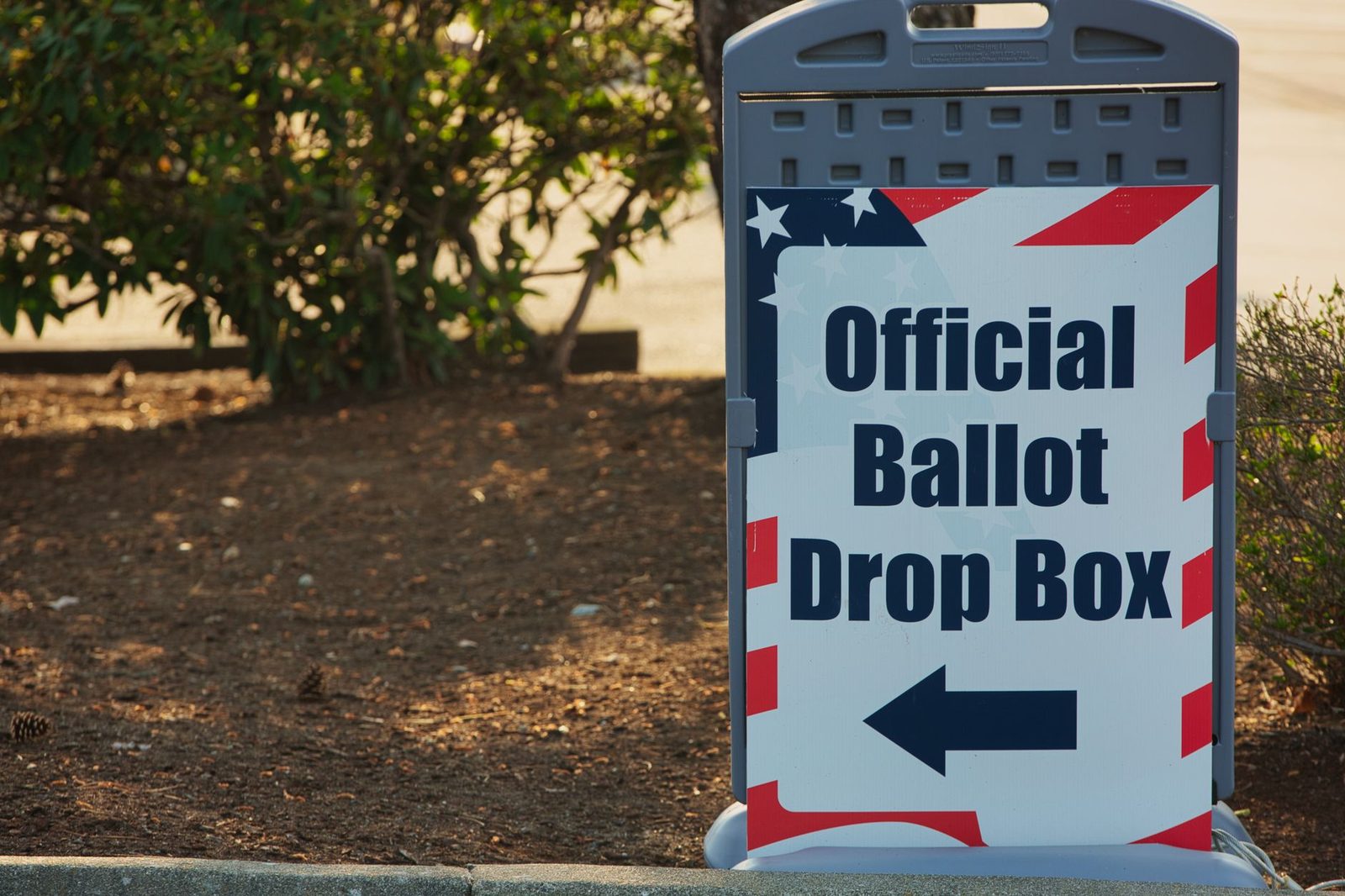
The way inspectors are elected surprises many people. Each voter votes for one candidate for judge and one candidate for inspector:
- The candidate with the most votes for judge becomes the judge of elections.
- The candidate with the most votes for inspector becomes the majority inspector.
- The candidate with the second-most votes for inspector becomes the minority inspector.
Because two inspectors are chosen from a single vote, the runner-up in the inspector race still wins a seat. If the vote for judge is tied, the newly elected majority inspector decides it. If the inspectors tie, the two candidates draw lots to decide who becomes majority inspector. Terms begin on the first Monday of January after the election and last four years.
When the seats are on the ballot
The Election Code sets a four-year term, and the Department of State says these seats are filled at the municipal election in the year after each presidential election. Adams County's notice for the 2025 municipal primary, for example, listed a judge of election seat and an inspector of election seat, each with a four-year term, in every precinct. That puts the next regular election in November 2029, after the 2028 presidential election.
In 2027, these seats are generally not on the ballot. If you are unsure about your own precinct, ask your county board of elections. Our Pennsylvania 2027 municipal election calendar covers the offices that are on the 2027 ballot.
Who can serve

The Election Code sets these qualifications for election officers:
- A registered voter of the precinct. Judges, inspectors, clerks and machine inspectors must be qualified registered voters of the election district where they serve.
- No recent government office or job. No one may serve who holds, or held within the past two months, an office, appointment or employment under the federal government, the state, or any city, county or poor district, or on a municipal board, commission or trust in a city. Magisterial district judges, notaries public and members of the state militia are the exceptions.
- No other race at the same election. An election officer is not eligible for any office voted on at a primary or election where that officer serves, other than an election office.
The last rule matters in 2027. If you already serve as a judge of elections or an inspector and you plan to run for school board, council or another office this year, talk with your county board of elections before the May 18 primary about who will serve in your place.
Serving before 2029
You do not have to wait for 2029 to work at the polls. There are three ways to serve sooner:
- Appointment to a vacancy. When a judge or inspector seat becomes vacant, through resignation, removal, death or any other cause, the county court appoints a replacement for the rest of the term. The court considers petitions filed by voters of the precinct, and it must post notice at the polling place at least five days before it makes the appointment. An appointed judge comes from the party with the most votes in the precinct at the last November election, and the two appointed inspectors may not both come from the same party. Ask your county board of elections how vacancies are handled in your county.
- Appointment as a clerk or machine inspector. These positions are appointed, and the same qualifications apply. Contact your county board of elections to volunteer.
- A new precinct. When a new election district is created, the court appoints its first election board, which serves until the next election at which all election officers are elected.
Running in 2029

When these seats return to the ballot, the process follows the same party petition rules as other local offices:
- Signatures. At least 10 valid signatures for judge of elections and at least 5 for inspector of elections. Signers must be registered and enrolled members of your party who live in the precinct. Pennsylvania's primaries are closed, so only voters in your party may sign.
- Circulation window. Petitions may be circulated from the thirteenth Tuesday through the tenth Tuesday before the primary. Under current law, that would be Tuesday, February 13 to Tuesday, March 6, 2029, before a primary on Tuesday, May 15, 2029 (based on state law). Laws can change before then, so confirm the dates with your county board in late 2028.
- Filing. File the petition and your candidate's affidavit with the county board of elections. There is no filing fee for judge of election or inspector of elections, and candidates for these two offices are not required to file a Statement of Financial Interests.
Beacon's guide to Pennsylvania nomination petitions covers the petition rules in more detail.
Text the volunteers who want to serve
If you help find people to serve on election boards, for a candidate's committee or a local committee of either party, CampaignCNX+ can text the volunteers who agreed to hear from you. Set it up in this order:
- Ask for written permission. Use a sign-up sheet that says plainly the volunteer agrees to receive texts from your committee, and record the date. Never text everyone on a voter list or a petition.
- Check the committee's filing, then request Campaign Verify. Campaign Verify is the check that confirms to the carriers (the mobile phone companies) that a political sender is real. It costs $95 per two-year cycle, is for 527 committees (the federal tax status of a political committee), and needs the committee's EIN (its federal tax ID number) and an election-authority filing published online. The PIN goes only to the contact details on that filing, and an individual with no committee is not eligible. Confirm the committee's filing can be viewed online, and if it cannot, ask Campaign Verify Support before you pay. Campaign Verify decides eligibility. A request made on or after Sunday, November 15, 2026 lasts until January 31, 2029. Our explainer on Campaign Verify for local candidates covers the process.
- Open the account. CampaignCNX+ files the carrier registration, including the Campaign Verify token bought from Campaign Verify. 100 free SMS included. Your number is $5 a month.
- Group your volunteers by precinct using tags, and send each precinct its own message. Replies come into a shared inbox (an add-on at $12.49 a month, included on Enterprise), so you and your team members can answer them together (staffers see the inbox once you allow it).
- Send within quiet hours. Texts send only between 8 a.m. and 9 p.m. in the recipient's time zone, and STOP replies are handled automatically.
[Committee name]: Ward 3 has an open election board seat. To serve, reply SERVE and we will explain how appointments work. Reply STOP to opt out.
For the general rules on campaign texting, see our political texting guide.
Plan ahead for 2029

If you want to run for judge of elections or inspector, start by volunteering at your polling place and getting to know your county board of elections. Watch for vacancies in your precinct, and begin building your list of supporters now. If you are on a committee that recruits election workers, start a trial once its filing is online.