
Mississippi counties elect their circuit clerk and chancery clerk in 2027, along with the tax assessor, tax collector, coroner, surveyor and county attorney. All of these are countywide offices, elected by the voters of the whole county. To run for circuit or chancery clerk, you must be a registered voter of the county and have lived in the county for two years on the day before the general election on Tuesday, November 2, 2027. Party candidates qualify by filing a Qualifying Statement of Intent for a Candidate for Party Nomination and a $100 fee at the circuit clerk's office between Monday, January 4 and 5:00 p.m. on Monday, February 1, 2027. The party primary is on Tuesday, August 3, 2027.
Independent candidates file a petition signed by at least 50 registered voters of the county, certified by the circuit clerk, with the qualifying statement and a $100 fee by the same deadline. This guide covers the two clerk offices first, then the other countywide offices, which follow the same steps with a few extra requirements. The rules come from the Mississippi Code and the Secretary of State's candidate qualifying guide and county election handbook. Confirm anything specific to your county with your circuit clerk.
For the full picture of a 2027 Mississippi race, see our guide to running for local office in Mississippi.
The two clerk offices and the election
Both clerks play a part in county elections, which is worth knowing whether you are a candidate for the office or for any other.
- The circuit clerk's office is where county and county district candidates qualify, where voters register in person or by mail, and where independent candidates have their petition signatures certified. It is also where voters can vote absentee in person, under the rules for absentee voting.
- The chancery clerk serves as the clerk of the board of supervisors. In 2027, election commissioner candidates in supervisors Districts Two and Four file their petitions in the chancery clerk's office.
Ask your county about the other duties of each office before you decide which one fits your experience. Talking with current and former staff, and attending a board of supervisors meeting, are good ways to learn what the work involves.
Step 1: Check that you qualify

The Secretary of State's guide lists the same qualifications for chancery clerk, circuit clerk, tax assessor and tax collector (Mississippi Constitution, Sections 135, 138, 168 and 250; Miss. Code Ann. Section 23-15-300):
- A registered voter of the county.
- A resident of the county for two years on the day before the election. For the November 2, 2027 general election, that means living in the county since November 1, 2025 or earlier (based on state law).
Rules that apply to every candidate.
- Certain convictions. Section 44 of the Mississippi Constitution bars a person convicted of bribery, perjury or another infamous crime, unless pardoned, and a person convicted of a felony as that section describes. Manslaughter and tax-law violations are excluded unless the offense involved misuse of an office or its money. Ask an attorney before you file if you have any conviction.
- Voting outside the county. A candidate who voted in an election somewhere else during the two years they were required to live in the county is kept off the ballot, with an exception for someone later redistricted into it.
- Other filings. Check with the Secretary of State for any other filings a candidate must have on record.
Step 2: Choose your route onto the ballot
As a party candidate
Party candidates, whether Democratic, Republican or of another party, file a Qualifying Statement of Intent for a Candidate for Party Nomination and a $100 fee at the circuit clerk's office. The fee is set by state law for every countywide office in this guide and is the same for every party; the Secretary of State's guide says it is made payable to the party. The circuit clerk forwards the papers to your party's county executive committee within two business days, and that committee runs the August 3 primary.
A candidate cannot qualify with a party that has no organized county executive committee in the county, unless the party's state executive committee has agreed in writing to serve in its place. This applies to every party.
As an independent candidate
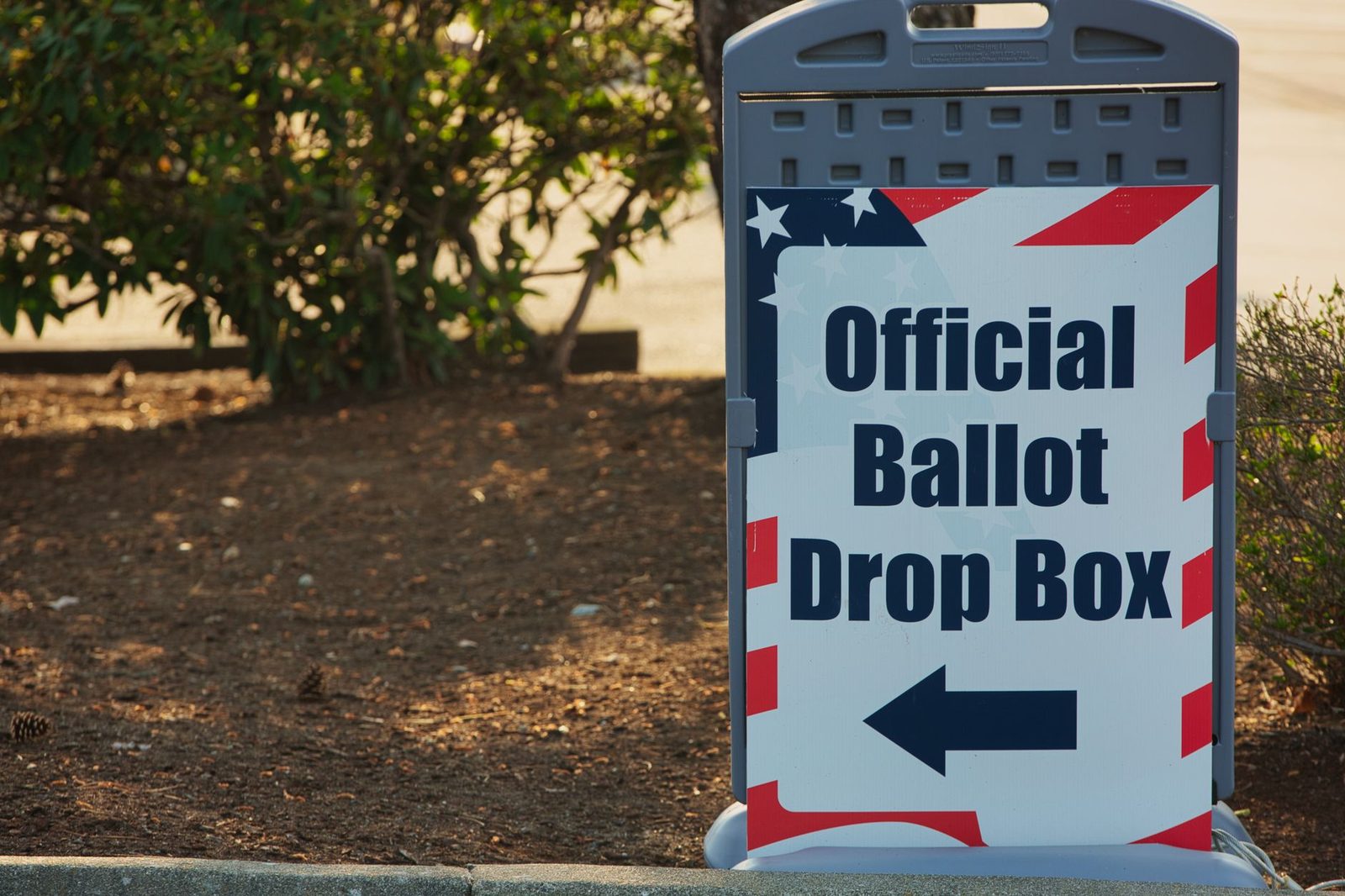
Independents appear only on the November 2 ballot. File with the circuit clerk by 5:00 p.m. on February 1, 2027:
- A Qualifying Statement of Intent for an Independent Candidate.
- A petition signed by at least 50 registered voters of the county, with the signatures certified by the circuit clerk's office of the county where they were collected.
- A $100 fee, payable to the county.
Collect extra signatures in case some cannot be certified, and leave time for the check before the deadline. Our guide to running as an independent in Mississippi covers the petition.
Step 3: File your qualifying papers
- Use the current county office form from the Secretary of State's candidate qualifying forms page or the circuit clerk's office. It asks for your legal name as registered to vote, date of birth, physical and mailing address, email and phone.
- Complete the certifications. You certify, under penalty of perjury, that you are a registered voter of the county, meet the residency rule, are not barred by Section 44 and meet every other requirement to hold the office.
- Choose your ballot name. A common short form of your first name or your middle name is allowed. A nickname may be used only if election officials decide it is needed to identify you to voters.
- File in person and early. Qualifying opens Monday, January 4, 2027 (the first weekday after January 1, based on state law) and closes at 5:00 p.m. on Monday, February 1, 2027. Papers cannot be filed online, a mailed filing counts only if it arrives by the deadline, and a late filing keeps you off the ballot.
- File your ethics form. Within 15 days of qualifying, file a Statement of Economic Interest electronically with the Mississippi Ethics Commission.
Your party's county executive committee then reviews your qualifications, and in 2027 it must finish by Wednesday, March 3 (based on state law).
The other countywide offices
The same route, fee and deadline apply to the offices below. Each has its own qualifications, as listed in the Secretary of State's guide. The 50-signature petition applies to independents for all of them.
Tax assessor and tax collector. A registered voter of the county and a county resident for two years on the day before the election, the same as the clerks. Ask your circuit clerk whether your county elects these as two offices or one, and which appears on your ballot.
Coroner. A county resident for at least two years before the general election, a registered voter of the county, at least 21 years old, and a high school graduate or the equivalent (Miss. Code Ann. Section 19-21-103).
Surveyor. A registered land surveyor and a registered voter of the county, with two years of county residency on the day before the election (Miss. Code Ann. Section 19-27-1).
County attorney. A county resident for at least two years before the general election, a registered voter, and a regular licensed and practicing attorney (Miss. Code Ann. Section 19-23-9).
Step 4: Plan a countywide campaign

A clerk's race is countywide, so voters across the county decide it, and many of them may know little about the office. Explain plainly what the office does for residents and why your experience fits it.
- Use the spring. From the February 1 deadline to the August 3 primary is 26 weeks. Plan to appear in each community at least twice before the primary.
- Meet voters where they gather. Churches, civic clubs, volunteer fire departments and local events give you a chance to meet many people at once. Ask organizers in advance whether candidates may attend or speak.
- Knock on doors in the final weeks. Ask your circuit clerk how to obtain a list of registered voters, and focus on households that vote in county primaries.
- Keep the voter dates in view. Voters must register 30 days before an election, so ask your circuit clerk for the exact primary deadline (the thirtieth day before August 3 is Sunday, July 4). The primary is Tuesday, August 3, the runoff, if needed, is Tuesday, August 31, the general registration deadline is Monday, October 4 (based on state law), and the general election is Tuesday, November 2, 2027.
Step 5: Keep supporters informed by text
In a countywide race, a short text reaches supporters you may only meet once. Set up CampaignCNX+ in the spring.
- Committee and Campaign Verify. Campaign Verify is a check that confirms to the carriers (the mobile phone companies) that you are a real campaign. It needs a 527 committee (the federal tax status of a political committee) with an EIN (the committee's federal tax ID number) and a filing with an election authority that is published online. Ask the Secretary of State's Elections Division or your circuit clerk where your campaign's filing can be viewed online before you request, and contact Campaign Verify Support if you cannot find it. Request it on or after Sunday, November 15, 2026, so it lasts until January 31, 2029. It costs $95, and Campaign Verify decides eligibility.
- Registration. CampaignCNX+ files your carrier registration, as 10DLC (the registration for texting from a standard local-style number) or toll-free, and files your Campaign Verify token with it.
- Your supporter group. Add only the people who agreed in writing to receive campaign texts, and record the consent date and source in a custom field. Never add everyone on a voter list.
- A reminder before the primary. Use the first-name merge field and end the first message with the opt-out line:
Hi [First name], this is [Name], candidate for Circuit Clerk. The primary is Tue, Aug 3. Thank you for your support. Reply STOP to opt out.
Texts send only between 8 a.m. and 9 p.m. in the recipient's time zone, and STOP replies are handled automatically. 100 free SMS included. Your number is $5 a month. For more wording, see our campaign text templates for local races. If this is your first campaign, our post on how to run for office with no experience covers the groundwork, and our political texting page covers texting for campaigns.
Get your papers ready before January 4

Confirm your two years of county residency, check any extra requirement for your office, and pick up the current form before qualifying opens. When you are ready to keep supporters informed, start a CampaignCNX+ trial.