Why GOTV Texting Strategies Matter in 2026
Elections are decided by turnout. A campaign can have the best candidate, the strongest message and the most money, but it will not win if its voters do not show up. For that reason, GOTV texting strategies (get-out-the-vote texts that remind supporters to vote) have become the most important part of modern campaign work.
Research from multiple election cycles confirms that personalized text message reminders increase voter turnout by 2 to 4 percentage points. Most competitive races are decided by smaller margins than that, so a well-run GOTV texting program often decides who wins.
The GOTV Texting Timeline: When to Send What
Effective turnout texting does not start on Election Day. It runs through the final two weeks of the campaign.
14 to 10 Days Out: Early Voting Reminders
If your state offers early voting, start at this point. Contact your most reliable supporters first, because they are the easiest to persuade and the most likely to follow through.
Template: "Hi {FirstName}, did you know early voting starts this Saturday in {County}? Beat the Election Day crowds and vote at {EarlyVoteLocation}. Hours: {Hours}. Questions? Reply here."
7 to 5 Days Out: Persuasion and Turnout Combined
At this stage, focus on occasional voters who lean toward your candidate but may not vote without a reminder. Combine a short message about an issue with details on when and where to vote.
Template: "{FirstName}, {CandidateName} is fighting to {KeyIssue}, but we need your vote to make it happen. Early voting runs through {Date} at {Location}. Can we count on you? Reply YES or NO."
72 to 48 Hours Out: Your Busiest Texting Period
This is when you will send the most texts. Every voter on your GOTV list should receive at least one message with their specific polling location and hours.
For a complete overview, read our guide to political texting.
Template: "{FirstName}, Election Day is {Day}. Polling place: {PollingLocation} ({Address}). Polls open {OpenTime} to {CloseTime}. Bring a friend and double your impact."
Election Day: Final Reminders
Send morning reminders to anyone who has not voted yet (if your state provides real-time data on who has voted). Follow up in the afternoon with anyone who still has not voted.
Morning template: "Good morning {FirstName}. Today is Election Day. Polls are open now at {PollingLocation} until {CloseTime}. Your vote matters."
Afternoon template: "{FirstName}, polls close at {CloseTime} tonight. If you haven't voted yet, there's still time. {PollingLocation}. Every vote counts in this race."
GOTV Texting Strategies That Increase Turnout
1. Make it personal. Use the voter's first name, name their specific polling location and, if possible, mention a local issue they care about. Voters tend to ignore generic mass messages and reply to personalized texts.
2. Make voting easy. Do not just tell people to vote. Tell them exactly where, when and how, including addresses, hours and what to bring (ID requirements vary by state). The easier you make it, the more people follow through.
3. Offer rides. Transportation is a real barrier for many voters, especially seniors, students, and voters in rural areas. A simple "Need a ride? Reply RIDE" can increase turnout among these groups significantly.
4. Show that others are voting. Messages such as "Over 10,000 of your neighbors have already voted. Join them." use positive social pressure, because people want to be part of something larger.
5. Follow up on commitments. If a voter replied "YES" when you earlier asked whether they would vote, mention that in your GOTV text: "{FirstName}, you told us you'd vote for {CandidateName}. Polls are open until {CloseTime}. We're counting on you."
Grouping Voters for Your GOTV Texts
Not every voter should get the same message. Effective GOTV texting sorts voters into groups by how strongly they support you and how often they vote:
- 1s (Definite supporters): Only practical details (where, when and how to vote). They do not need persuading.
- 2s (Lean supporters): Light persuasion plus practical details. Remind them why this election matters.
- 3s (Undecided or persuadable): Messages about issues, paired with voting information. These voters need both a reason and a plan.
- Low-propensity supporters (those who rarely vote): More contact. These voters need several reminders and the most help (rides, absentee ballot information and similar).
GOTV Texting Results by the Numbers
Campaign data from multiple election cycles shows:
- Open rates: 97 to 99% (compared with 18 to 22% for GOTV emails)
- Response rates: 12 to 28%, depending on personalization and timing
- Turnout increase: 2 to 4 percentage points among targeted voters
- Cost per voter contact: $0.03 to $0.08 (compared with $1 to $3 for door knocking)
CampaignCNX+ was used for voter outreach in a U.S. Senate campaign in Illinois, and the results matched the research, which shows that SMS (text messaging) is the most cost-effective voter contact method available to campaigns at any level.
Common GOTV Texting Mistakes to Avoid
- Starting too late: If your first GOTV text goes out on Election Day, you have already missed potential early voters.
- Sending too many messages: 3 to 5 texts in the final two weeks works best. Sending more than that causes a sharp rise in opt-outs.
- Ignoring opt-outs: Always honor STOP requests immediately. The law requires it, and it is the right thing to do.
- Forgetting TCPA compliance: Political campaigns have some exemptions under the TCPA (the federal Telephone Consumer Protection Act), but you still need consent and proper identification.
- Not tracking who already voted: If your state provides early vote data, use it. Voters get annoyed when they receive "go vote" texts after they have already voted.
Planning Your GOTV Texting Program for This Election
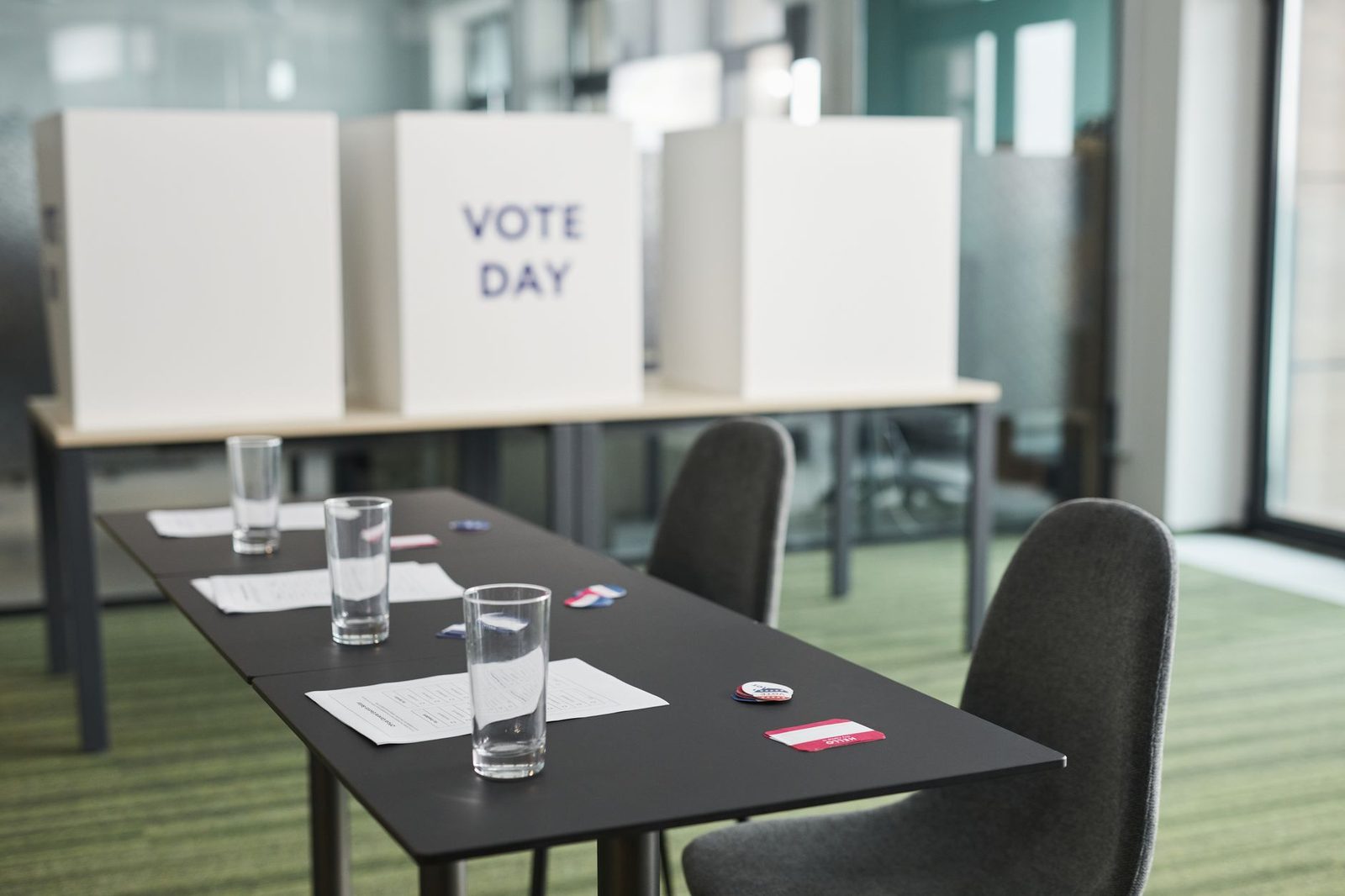
GOTV texting strategies work because they reach voters on their phones with the specific information they need, at the time they need it. Campaigns that invest in well-planned, well-timed texts for each voter group consistently do better than campaigns that rely only on older methods.
Do not wait until the final week to plan your texting program. Start with 100 free SMS and set up your voter contact tools now, so you are ready for the final weeks of the race. You get 100 free SMS to start, and your number is $5 a month. Once you have your Campaign Verify token (the code issued once Campaign Verify confirms your campaign), we file the carrier approval for you. That review usually takes about 3 business days for a toll-free number.
Read more about how CampaignCNX+ helps with texting a Midwest voter file across time zones.