
This plan is for party candidates running in Mississippi's primary on Tuesday, August 3, 2027: candidates for sheriff, the clerks, the tax offices, supervisor, constable and the other county offices, and for the Legislature. It runs in seven phases. You prepare in November and December 2026, qualify between Monday, January 4 and 5:00 p.m. on Monday, February 1, 2027, build your base through the spring, push voter registration and turnout in the summer, and finish with primary day. If no candidate wins a majority, a runoff follows on Tuesday, August 31.
The election dates come from the Mississippi Secretary of State's 2026 to 2027 election calendar, and the qualifying dates from state law and the Secretary of State's announcement for legislative qualifying. Door counts, volunteer numbers and weekly goals are examples only, so set your own from the size of your district and the time you have. Independent candidates and justice court judge candidates do not run in the primary, so their timeline is different; our guide to running for local office in Mississippi explains those routes.
The dates this plan is built on
- Sunday, November 15, 2026: Campaign Verify requests made on or after this date last until January 31, 2029.
- Monday, January 4, 2027: qualifying opens (the first weekday after January 1, based on state law).
- Monday, February 1, 2027, 5:00 p.m.: qualifying closes.
- Wednesday, March 3, 2027: the party executive committees finish reviewing qualifications (based on state law).
- Early July 2027: voter registration closes for the primary, 30 days before August 3. Because the thirtieth day is Sunday, July 4, ask your circuit clerk for the exact deadline.
- Tuesday, August 3, 2027: the primary.
- Tuesday, August 31, 2027: the primary runoff, if needed.
- Tuesday, November 2, 2027: the general election.
Our Mississippi 2027 election calendar lists every date, including the general election registration deadline.
Phase 1: Prepare (weeks of November 9 to December 28, 2026)
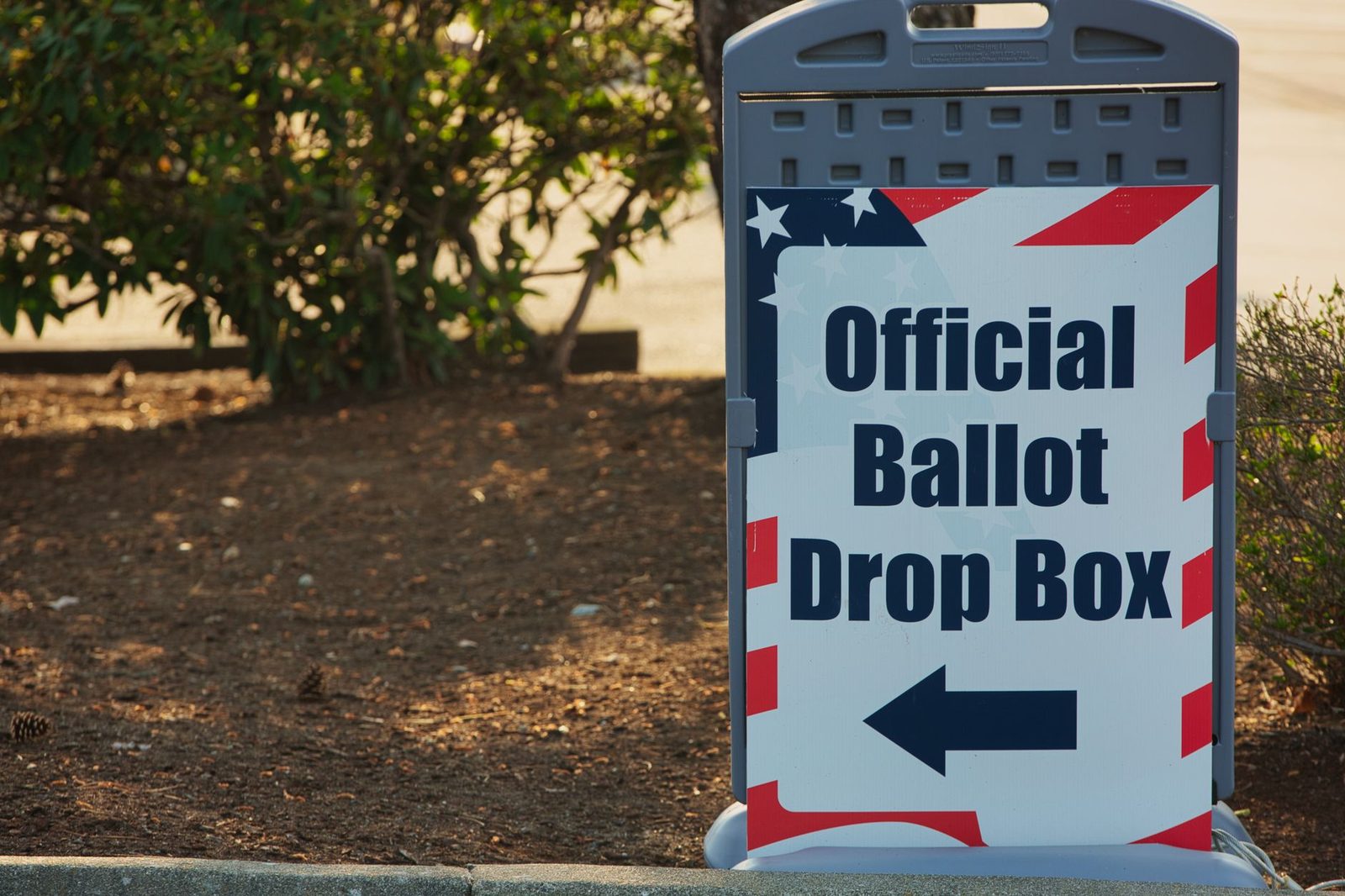
Use these weeks to clear every obstacle to qualifying and to set up the campaign's basic tools.
- Weeks of November 9 and November 16. Confirm that you are registered to vote at your current address and that you meet your office's residency rule: for most county offices, two years in the county (or in the district, for supervisor and constable) before November 2, 2027. For the Legislature, check the age and four-year state rules as well.
- Weeks of November 23 and November 30. Ask your circuit clerk which district you live in and which offices are on your county's 2027 ballot. If you plan to text supporters, form your campaign committee and get an EIN (the committee's federal tax ID number). Request Campaign Verify on or after November 15.
- Weeks of December 7 and December 14. Write a short statement of why you are running and what you will work on. As an example, list 50 people you know personally who might volunteer, host a gathering or introduce you to others.
- Weeks of December 21 and December 28. Pick up the current qualifying form for your office. County and county district candidates confirm that their party has an organized county executive committee. Legislative candidates confirm their district again, because the Secretary of State said district lines in the state's election system could be updated after the November 2026 election closes.
Phase 2: Qualify and announce (weeks of January 4 to February 1, 2027)
- Week of January 4. Qualifying opens on Monday, January 4. Complete the Qualifying Statement of Intent for a Candidate for Party Nomination, check each certification, and decide how your name will appear on the ballot.
- Week of January 11. File in person. County and county district candidates file with the circuit clerk and pay the $100 fee; legislative candidates file with their party's state executive committee and pay $250. Ask for a receipt. Filing early leaves time to fix a problem.
- Weeks of January 18 and January 25. Announce to the 50 people on your list first, then publicly. Bring a sign-up sheet to every gathering, with a line that plainly asks whether the person agrees to receive campaign texts and a place for the date. File your Statement of Economic Interest with the Mississippi Ethics Commission within 15 days of qualifying.
- Week of February 1. Qualifying closes at 5:00 p.m. on Monday, February 1. After that, ask your circuit clerk or party which other candidates qualified for your office.
Phase 3: Build your base (weeks of February 8 to March 29)

These eight weeks are for organizing.
- Weeks of February 8 to February 22. Recruit three to five volunteers who can help on weekends, as an example. Ask your circuit clerk how to obtain a list of registered voters in your district, and divide the district into areas small enough for one evening or one Saturday morning.
- Week of March 1. The party executive committee's review of qualifications must be finished by Wednesday, March 3 (based on state law). If you are the only candidate who qualified for your party's nomination, you are declared the nominee and can turn your planning toward November.
- Weeks of March 8 to March 29. Attend community events, civic club meetings and church gatherings that welcome candidates. Collect names and written texting permission as you go.
Phase 4: Door-knocking (weeks of April 5 to May 31)
These nine weeks are the main door-knocking period of the campaign.
- Set a weekly goal. As an example only, a candidate and three volunteers who each knock on 40 doors a week for nine weeks would reach about 1,400 doors.
- Record what you learn. Note which households are supportive, undecided or not interested, so you can return to the undecided ones in the summer. If several volunteers help, Beacon, a door-to-door canvassing app, lets you draw those areas as turf on a map, assign each to a volunteer, give them walk lists ordered by distance, and record a result at each door, such as contacted, not home or come back later.
- Collect permission at the door. When someone wants updates, ask whether they would like campaign texts, and have them sign up on a sheet or form that says plainly they agree to receive campaign texts, with the date recorded.
Phase 5: Registration and the summer push (weeks of June 7 to July 12)
How a new number gets approved
- Open your account100 free SMS included
- Buy your number$5 a month. Nothing sends until the account has one.
- Verify your campaignCampaign Verify, $95 per two-year cycle. Needs your committee's EIN and filing.
- We file the registrationToll-free verification, or 10DLC for a local number ($75 one time)
- The carriers review itAbout three business days for a toll-free number
- Send your first textStart with a small test group
- Weeks of June 7 to June 28. Remind supporters who have moved to update their registration with the circuit clerk. Voter registration closes 30 days before the primary, which falls in early July, so confirm the exact date with your circuit clerk and share it.
- Week of July 5. The registration deadline for the primary falls around this week. Return to the undecided households from Phase 4.
- Week of July 12. Confirm your volunteer schedule for the last three weeks and for primary day. Ask your circuit clerk about absentee voting for supporters who will be away on August 3.
Phase 6: The final three weeks and primary day (weeks of July 19 to August 2)
- Week of July 19. Focus every door and call on supporters and undecided voters you have already met.
- Week of July 26. Send a reminder to supporters who agreed to texts. Confirm polling places for your district.
- Tuesday, August 3. Primary day. The county party executive committee conducts the primary. A candidate who receives a majority of the votes cast is the party's nominee. Thank your volunteers by name.
Phase 7: The runoff, if there is one (weeks of August 9 to August 30)
If no candidate wins a majority, the two candidates with the most votes meet in the runoff on Tuesday, August 31, 2027, four weeks after the primary. Plan for this possibility from the start by keeping some volunteer time in reserve.
- Week of August 9. Thank your supporters and tell them the runoff date.
- Weeks of August 16 and August 23. Return to every supportive household and remind each one of the new date, because some supporters may not know a runoff is being held.
- Tuesday, August 31. Runoff day. The candidate with the most votes becomes the nominee.
After the nomination, the general election is on Tuesday, November 2, 2027, and voter registration for it closes on Monday, October 4 (based on state law).
Text your supporters at the right moments
What one text costs on each plan
The summer weeks are when a reminder helps most. Set up texting in CampaignCNX+ in the spring so it is ready by June.
- Committee and Campaign Verify. Campaign Verify confirms to the carriers (the mobile phone companies) that a political sender is a real campaign. It needs a 527 committee (the federal tax status of a political committee) with an EIN and a filing with an election authority that is published online. Ask the Secretary of State's Elections Division or your circuit clerk where your campaign's filing can be viewed online, and ask Campaign Verify Support if you cannot find it. It costs $95, a request made on or after Sunday, November 15, 2026 lasts until January 31, 2029, and Campaign Verify decides eligibility.
- Registration. CampaignCNX+ files your carrier registration, as 10DLC (the registration for texting from a standard local-style number) or toll-free, and files your Campaign Verify token with it. For a toll-free number, the carrier review usually takes about three business days.
- Your supporter group. Add only the people who agreed in writing on your sign-up sheets, and record the consent date and source in a custom field.
- Scheduled reminders. Schedule texts for the registration deadline, the week before August 3, primary day and, if needed, the runoff. Texts send only between 8 a.m. and 9 p.m. in the recipient's time zone, and STOP replies are handled automatically. For example:
Hi [First name], it's [Name], running for [Office]. The primary is Tue, Aug 3. Thank you for your support. Reply STOP to opt out.
Today is the primary. Thank you for standing with our campaign. Find your polling place with your circuit clerk. [Name]
100 free SMS included. Your number is $5 a month. For more wording, see our campaign text templates for local races, and for texting rules for campaigns, see our political texting page.
Begin this month
The candidates who have the easiest January are the ones who confirmed their registration, residency and district in November. Start Phase 1 now. When you are ready to keep your supporters informed through the summer, start a CampaignCNX+ trial.